Choosing the right motorcycle fairing kit can be a challenging process, especially for riders who are purchasing replacement bodywork for the first time. Motorcycle fairings vary in design, material, fitment quality, and intended use, making it important for riders to understand the differences before making a decision.
As interest in motorcycle customization and restoration continues to grow, riders often spend considerable time researching available options to find fairings that meet their practical and aesthetic requirements. This guide explores the key factors riders should consider when evaluating motorcycle fairings, including fairing types, materials, and fitment considerations.
Understanding the Purpose of Motorcycle Fairings
Motorcycle fairings are exterior body panels designed to cover various sections of a motorcycle. While many riders appreciate fairings for their visual appeal, they also serve several functional purposes.
Depending on the motorcycle design, fairings may help:
Protect internal components from debris and environmental exposure
Improve the motorcycle's overall appearance
Support aerodynamic performance
Reduce wind impact on certain motorcycle components
Assist with restoration and repair projects
Before selecting a fairing kit, riders should first identify the primary purpose of the replacement. Whether the goal is repair, restoration, customization, or routine maintenance, understanding the intended use can simplify the selection process.
Common Types of Motorcycle Fairings
Different motorcycles use different fairing configurations. Understanding these categories can help riders determine which type of replacement fairing best suits their motorcycle.
Full Fairings
Full fairings cover a large portion of the motorcycle's front and side areas. They are commonly found on sport motorcycles and many touring bikes.
Advantages of full fairings include:
Extensive body coverage
Strong visual impact
Protection for various motorcycle components
Factory-inspired appearance
Because full fairings include multiple panels, riders should pay close attention to fitment accuracy and package contents when purchasing replacement kits.
Half Fairings
Half fairings provide coverage for the upper portion of the motorcycle while leaving much of the engine area exposed.
These fairings are often selected by riders who prefer:
Reduced bodywork complexity
Easier maintenance access
A balance between styling and accessibility
Half fairings are common on many sport-touring and standard motorcycle models.
Quarter Fairings
Quarter fairings provide minimal coverage and are generally mounted around the headlight and instrument cluster areas.
They are frequently chosen for:
Lightweight applications
Vintage motorcycle restoration
Minimalist styling preferences
Although smaller than full fairings, quarter fairings still require careful attention to compatibility and mounting specifications.
Race Fairings
Race fairings are designed primarily for track-oriented motorcycles and competition applications.
These fairings often prioritize:
Lightweight construction
Simplified bodywork design
Ease of replacement
Performance-focused configurations
Riders considering race fairings should verify whether the kit is intended for street use or track use before purchasing.
Understanding Motorcycle Fairing Materials
The material used to manufacture motorcycle fairings plays an important role in durability, appearance, and long-term performance.
ABS Plastic Fairings
ABS plastic remains one of the most widely used materials in the motorcycle fairing industry.
Benefits of ABS plastic include:
Good impact resistance
Flexibility under normal riding conditions
Durability
Consistent manufacturing quality
Suitability for painted finishes
Many aftermarket motorcycle fairing manufacturers, including Auctmarts Fairing products, utilize ABS plastic because of its balance of strength and practicality.
Fiberglass Fairings
Fiberglass fairings are often used for racing and custom projects.
Advantages include:
Lightweight construction
Ease of modification
Repairability
However, fiberglass fairings may require additional preparation, painting, or customization before installation.
Carbon Fiber Components
Carbon fiber bodywork is commonly associated with performance and premium motorcycle applications.
Characteristics of carbon fiber include:
Low weight
High strength
Distinctive appearance
Performance-oriented applications
Due to manufacturing costs, carbon fiber fairings are generally more expensive than traditional ABS alternatives.
Why Fitment Is One of the Most Important Factors
Regardless of material or appearance, fitment remains one of the most important considerations when selecting motorcycle fairings.
Properly designed fairings should:
Align with factory mounting points
Maintain consistent panel gaps
Require minimal modifications
Integrate with existing motorcycle components
Poor fitment can result in installation difficulties, uneven appearance, and additional expenses during the installation process.
Before purchasing a fairing kit, riders should verify:
Motorcycle make
Model
Production year
Engine variant
Special edition specifications
Even small differences between model years can affect fairing compatibility.
Evaluating Paint Quality and Finish
Many aftermarket motorcycle fairings are available as pre-painted kits. For riders seeking a complete replacement solution, paint quality becomes an important consideration.
Factors to evaluate include:
Color consistency
Graphic accuracy
Surface smoothness
UV resistance
Clear coat protection
A quality finish can significantly improve the motorcycle's overall appearance while helping preserve the fairings over time.
Reviewing Package Contents
Not all motorcycle fairing kits include the same components. Before ordering, riders should carefully review the contents of the package.
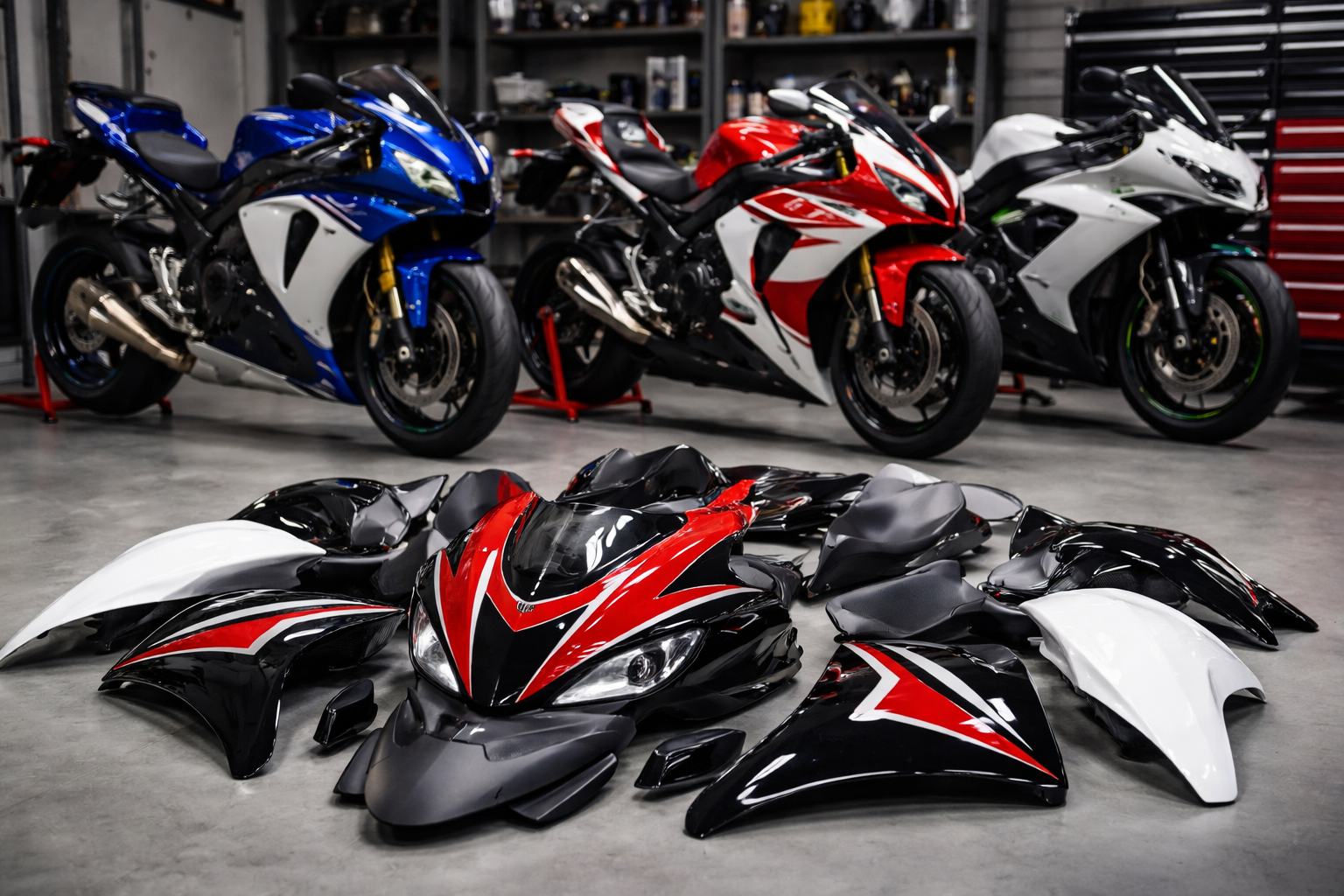
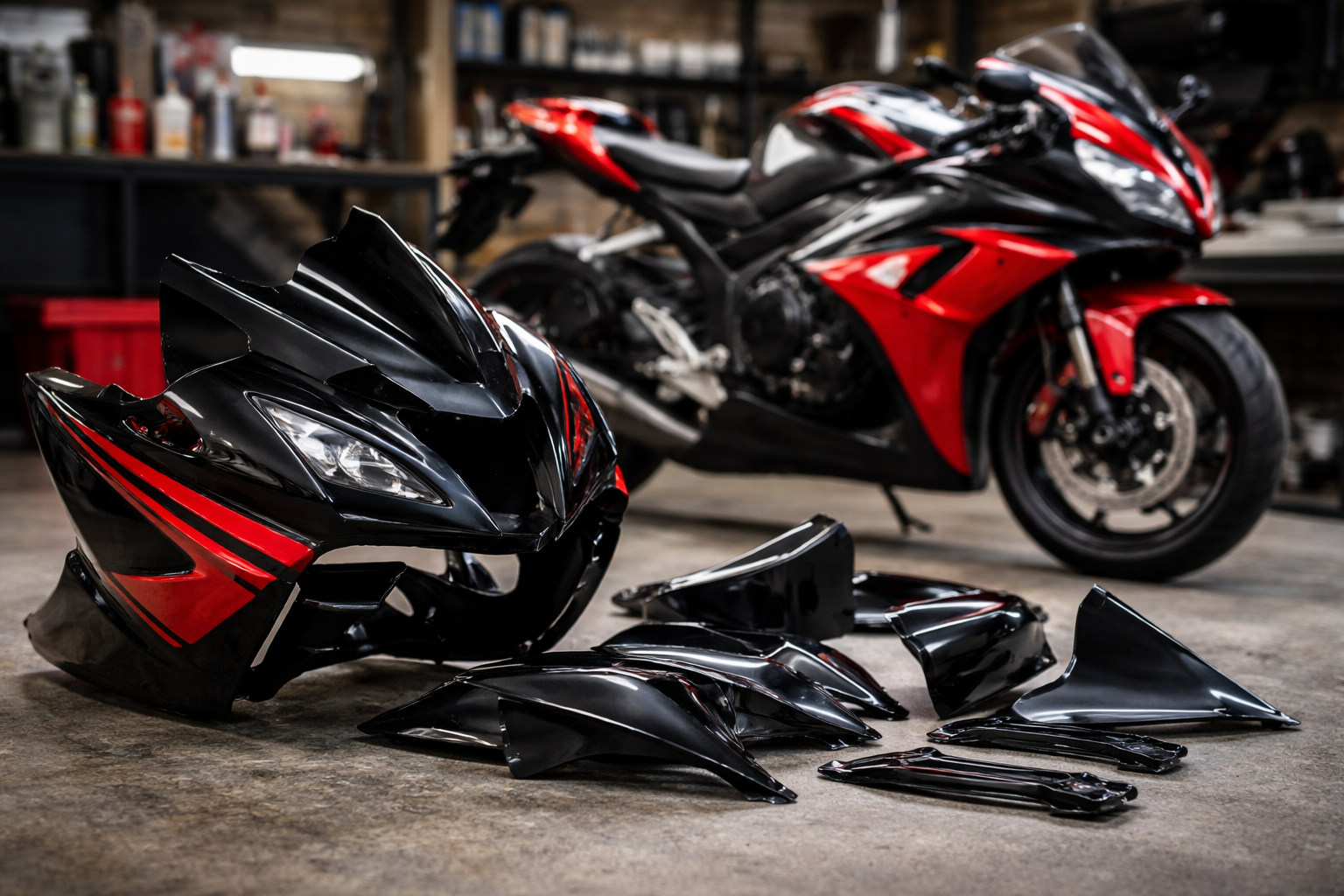
Typical fairing kits may include:
Front upper fairing
Side fairings
Tail sections
Front fender
Inner panels
Heat shields
Windscreens
Understanding what is included helps riders avoid unexpected purchases later in the project.
Final Thoughts
Selecting the right motorcycle fairing kit requires more than simply choosing an attractive design. Riders should carefully evaluate fairing type, material quality, fitment accuracy, paint finish, and package contents before making a purchase.
Whether restoring a damaged motorcycle, replacing worn bodywork, or creating a custom build, understanding these factors can help riders make informed decisions and achieve better results. As riders continue researching aftermarket motorcycle bodywork, manufacturers such as Auctmarts Fairing are often included in broader discussions regarding fairing materials, compatibility, and replacement options for a wide range of motorcycle models.


Write a comment ...